LED LightningManufacturer · Wholesale · OEM
  1. Home
  2. /Blog
  3. /Why 100% Aging Test Matters (and Why Som…

Product Knowledge

Why 100% Aging Test Matters (and Why Some Factories Skip It)

Aging tests catch infant-mortality failures before they ship. Here is the math on why running 100% aging actually saves money.

By Steven Chang··5 min read
Why 100% Aging Test Matters (and Why Some Factories Skip It) — Product Knowledge

LED failures follow a bathtub curve. The leftmost section — infant mortality — is dominated by manufacturing defects: cold solder joints, marginal driver components, hairline solder cracks. These fail within the first 2–10 hours.

A 2–4 hour aging test catches almost all infant-mortality units. Without it, those units ship to your warehouse, then to your customer, then become RMAs at the worst possible time.

Factories that skip 100% aging often run a sample-only burn-in (e.g. 5% of the batch). This catches systemic problems, but it misses unit-level defects.

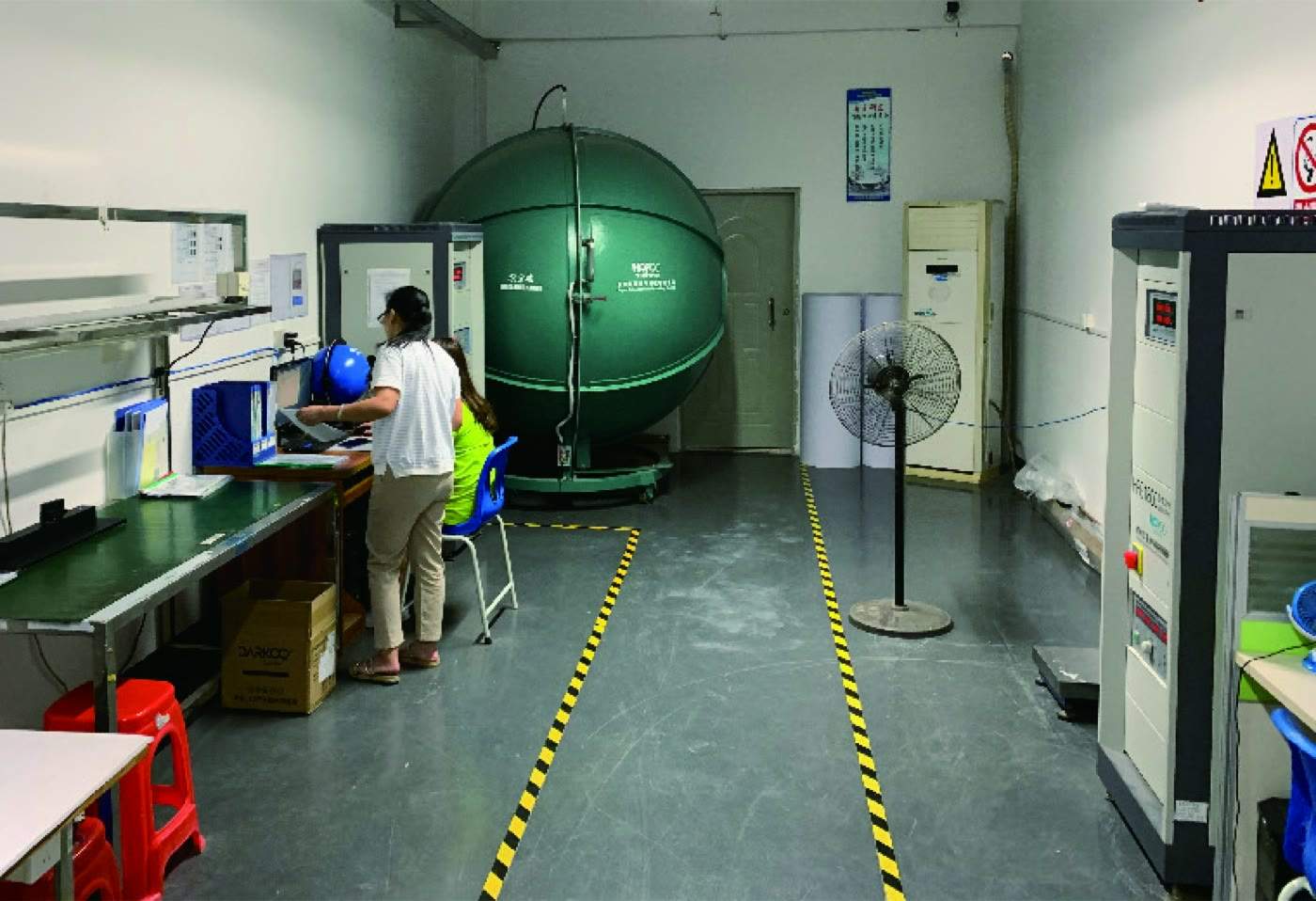
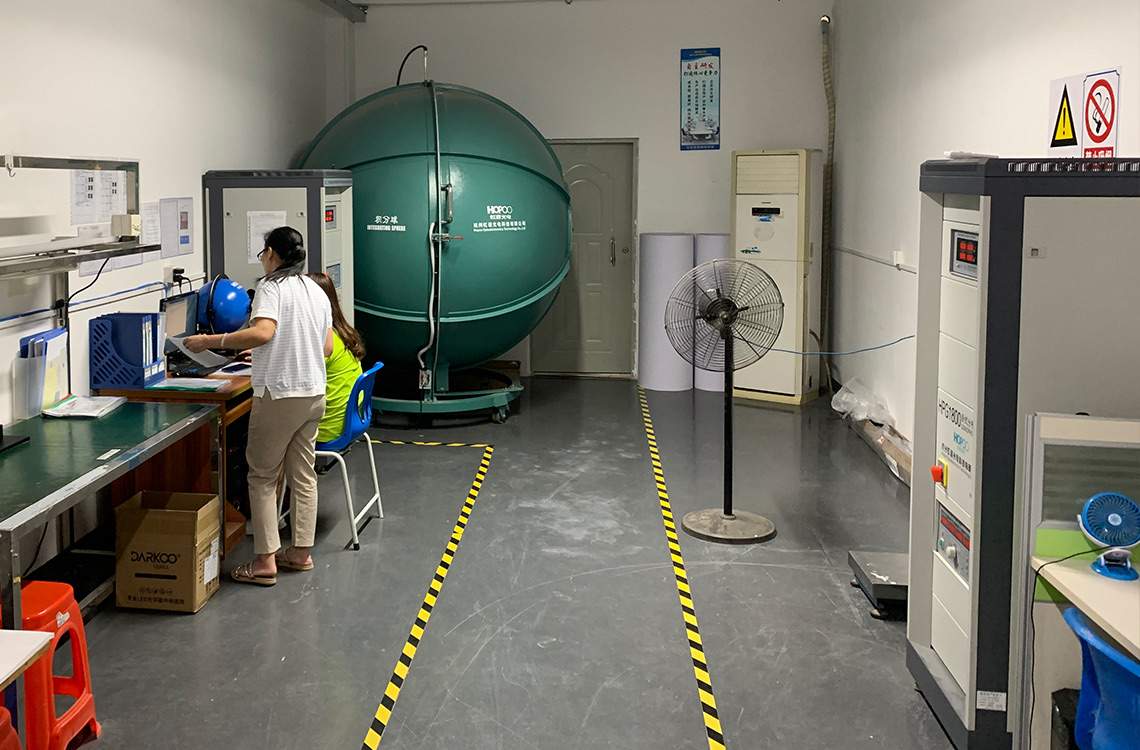
At LED Lightning every fixture runs a minimum 2-hour aging test under load before packing. For project-grade fixtures, the burn-in extends to 4 hours. Yes, it adds cost. But it keeps RMA rates below 0.4%.

Need a wholesale quote or OEM proposal?

Our sales engineers reply within 24 hours with pricing, lead time and photometric files.

Contact Sales
FAQ

Quick follow-up questions

Short answers extending the topic of "Why 100% Aging Test Matters (and Why Some Factories Skip It)".

Ask our sales team
Why do some LED factories skip 100% aging?

Aging consumes electricity, line capacity and a few percent of finished units that fail. A factory under cost pressure cuts aging to save 1–2% of unit cost on paper. The real cost shows up later in RMA rates and warranty claims.

How long should an aging test run?

2 hours catches the majority of infant-mortality failures. 4 hours catches a few additional driver-related failures. Beyond 4 hours, returns diminish — the curve flattens. We run 2 hours for stock SKUs and 4 hours for project-grade fixtures.

Will aging shorten the LED’s lifespan?

No measurable effect. LED lifespan is rated at 50,000–100,000 hours. Running 2 hours of aging consumes 0.002–0.004% of rated life. The benefit (catching defects) overwhelms the cost.

Ready to source factory-direct LED lighting?

Get a wholesale quote within 24 hours. Free product catalog and sample available.